

Open product data for circular-economy research
Relab documents how durable goods come apart: every component named, weighed and photographed. The records are open to browse as they are collected.
75 parts documented
A research platform of the Institute of Environmental Sciences (CML), Leiden University
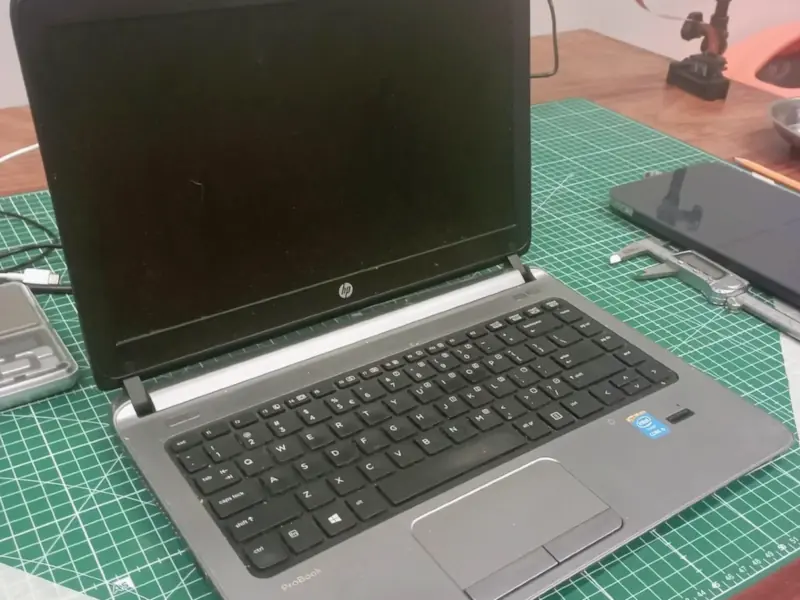
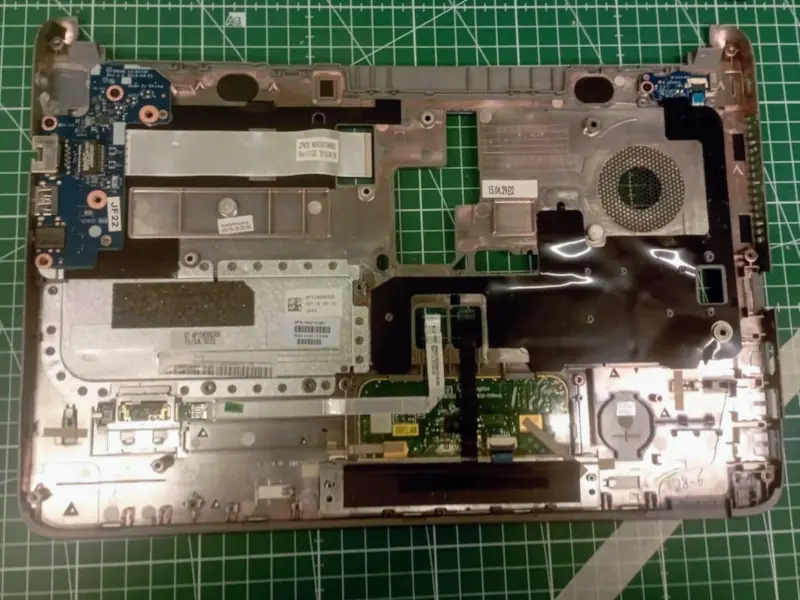 Top cover assembly350 g
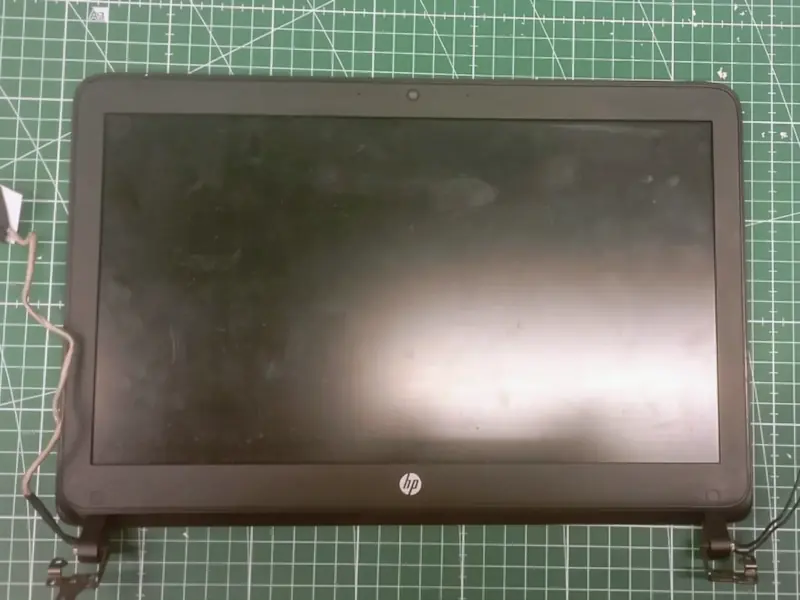 Display assembly258 g
- LCD panel163 g
- Lid and hinges95 g
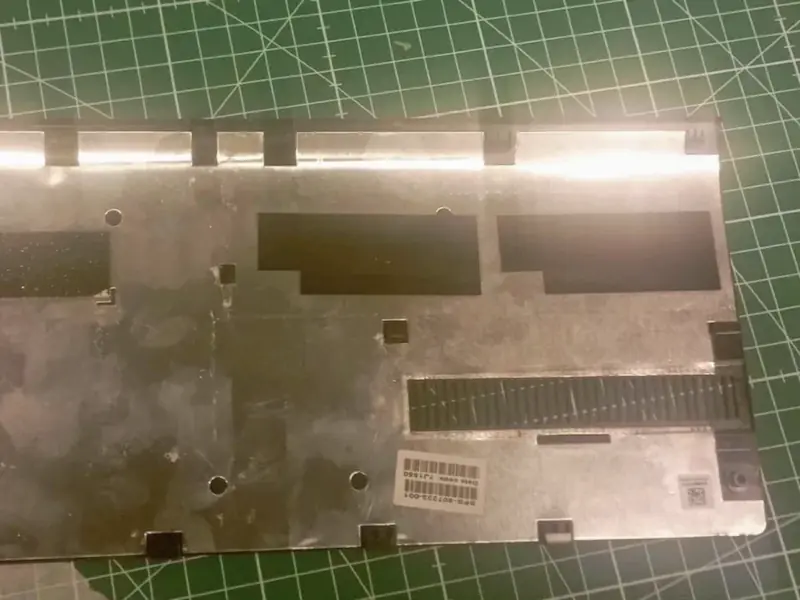 Bottom cover156 g
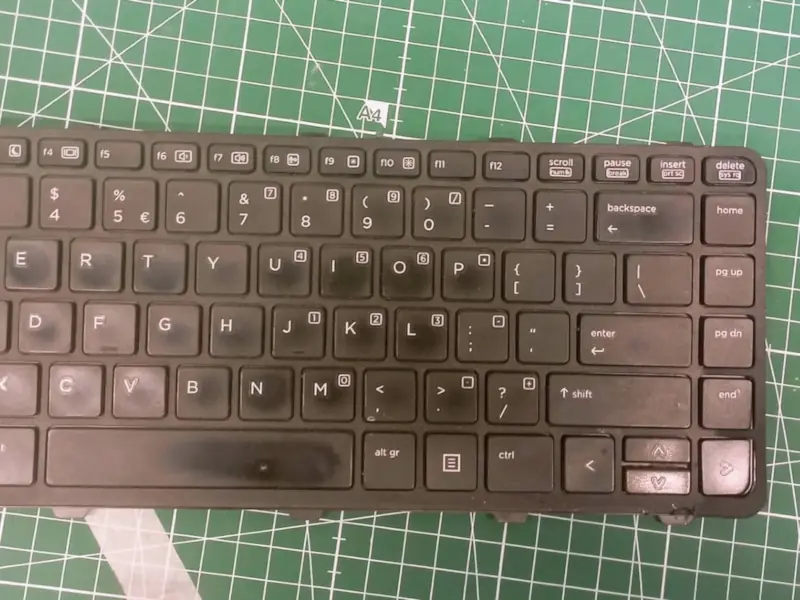 Keyboard94 g
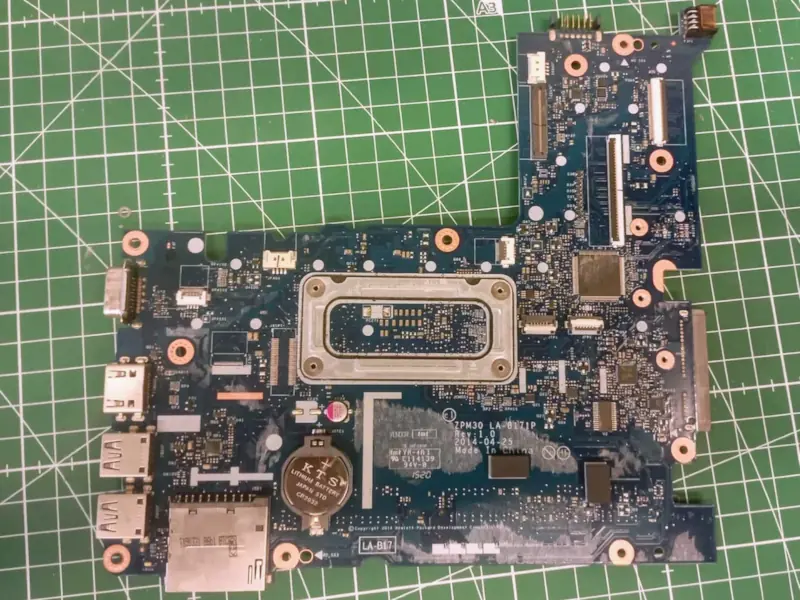 Motherboard assembly88 g
- PCB assembly85 g
- Coin-cell battery3 g
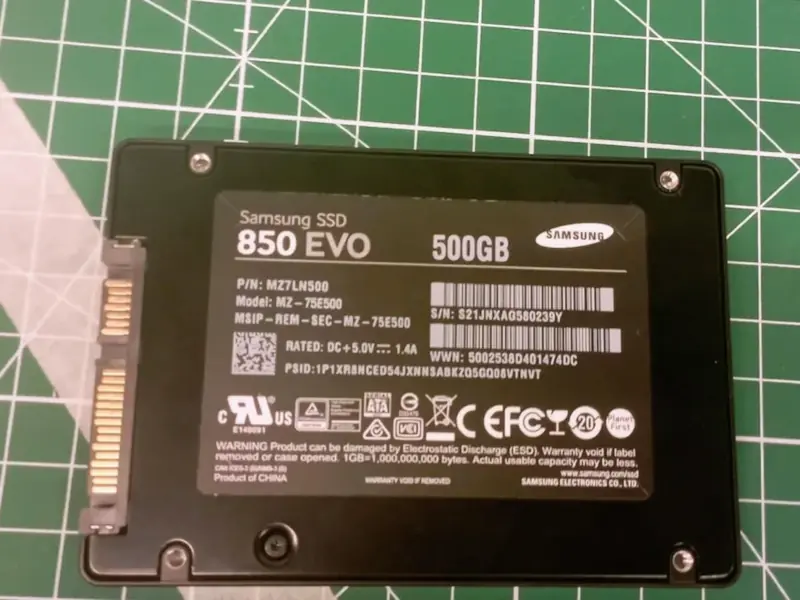 SSD60 g
Why Relab exists
Closed, and too slow
Circular-economy research depends on detailed product data: what things are made of, how they come apart, which parts matter. That data is scarce, mostly closed, and slow to produce. Producers hold it as proprietary, and small expert teams sampling by hand cannot keep pace with what reaches the market.
Downstream, at the point of failure
So Relab goes downstream, to the people who already open products: repairers, refurbishers, dismantlers, recyclers. They meet products at the point of failure, a vantage that captures as-failed composition, wear, and recoverability that as-designed specifications never show.
Value in both directions
The exchange is meant to run both ways. Those observations feed back into the data infrastructure research and design rely on, and the platform is built to return value to the people who collect them, in composition insight and sustainability metrics. That return is designed for, not yet delivered.
From teardown to data
Every record is built the same way, in three passes: the product is taken in, each component is worked through in turn, and the finished record is published.
1Intake
Product in
A product arrives for teardown: durable goods that hand tools can open non-destructively.
Photograph
Capture first, before recording anything else, by phone or a fixed camera rig.
Register product
Create the product record: its type, brand, and model.
2For each componentrepeats per part
Identify
Name each component and identify what it is made of.
Weigh and measure
Record mass and dimensions for every component.
3Output
Nest into component hierarchy
Attach each component to its parent; assemblies nest to any depth.
Browse and reuse the records
The record becomes browsable in the app and over the API. Curated dataset releases are planned under CC BY 4.0; none has been published yet.
LCA and circular-economy research
Records support life-cycle assessment and circularity analysis.
A finished record says what one product is made of, how it comes apart, and how it has fared. That is the primary data life-cycle assessment and material-flow analysis are built on, and it is scarcest exactly where it is most observable: products are documented as designed, rarely as they are found at the end of their life.
Background: the nine in the mark is a nod to the 9R framework, the ten circular-economy strategies from Refuse to Recover that the project takes its cue from. See the ladder in the docs (opens in new tab).